
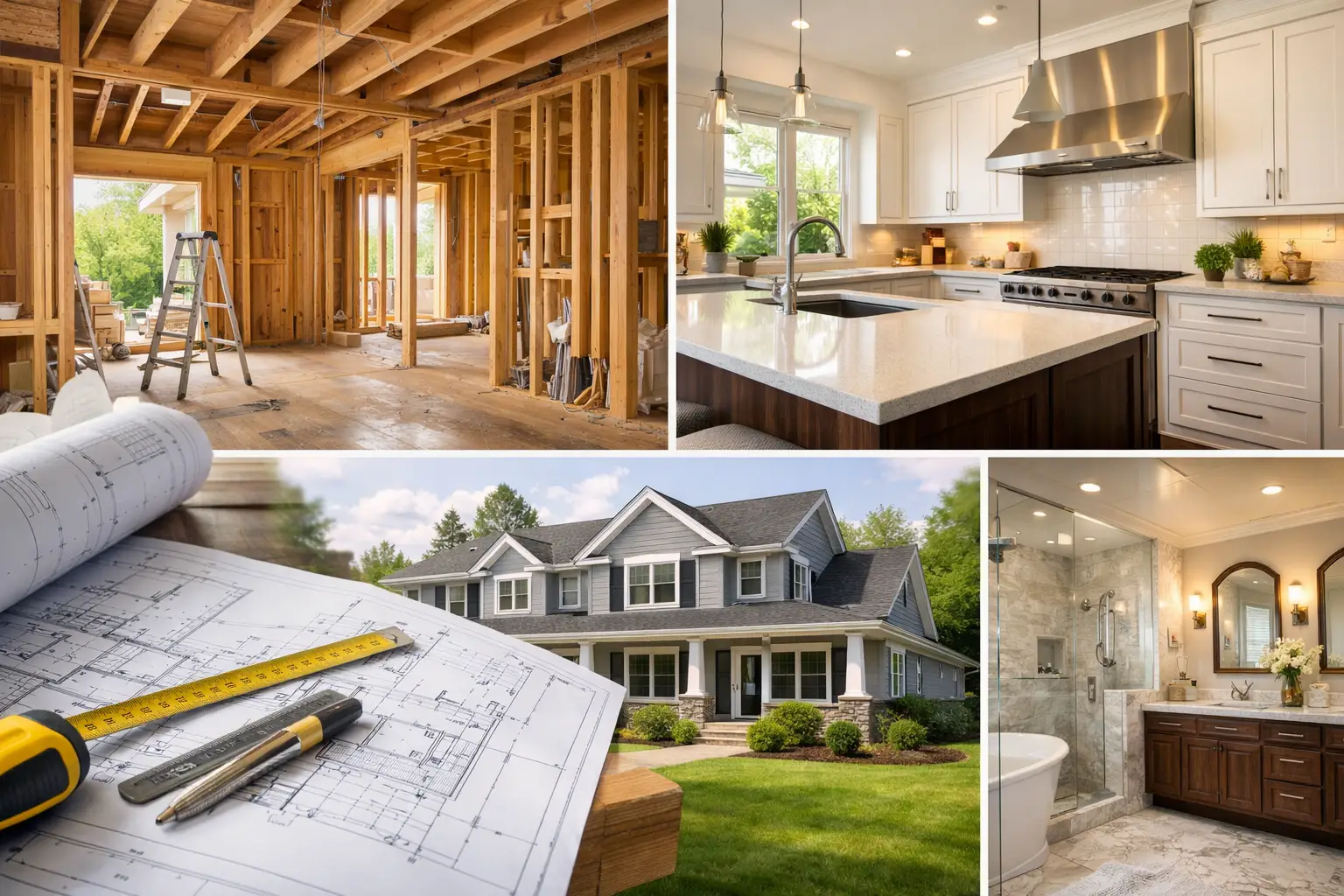
A $150,000 renovation can add real resale value. It can also disappear into finishes a buyer will not pay extra for. That is the core question behind what adds value in renovations: not what looks expensive, but what changes how a house lives, appraises, and shows in the market.
In New Jersey, that answer depends on the house, the town, and the price point. A powder room upgrade in Maplewood does not carry the same weight as a primary suite rework in Short Hills. A finished basement in Livingston can be useful, but if moisture control was ignored, buyers and inspectors will focus on the risk, not the paint color. Value comes from solving the right problem in the right order.
What adds value in renovations first: function or finish?
Function wins first. Finish matters after the bones make sense.
When buyers walk a home, they react to layout, light, storage, and condition before they start scoring tile patterns. If the kitchen is cramped, the entry is awkward, and the second-floor bath still has a 30-inch vanity in a four-bedroom house, premium materials will not fix the underlying issue. The highest-return renovations usually improve daily use in a way a buyer understands within thirty seconds.
That is why kitchens, bathrooms, flooring continuity, and smart layout changes usually outperform decorative upgrades. They affect the rooms people use most. They photograph well. They also reduce the buyer’s mental to-do list, which matters in competitive NJ markets where many households do not want to take on a major post-closing project.
There is a practical order to this. First, correct deferred maintenance and code issues. Second, improve layout and utility. Third, invest in finish selections that fit the neighborhood and home value. If you reverse that order, you can overspend quickly.
Kitchens usually lead – but only when the scope is disciplined
Kitchen remodels add value because they combine function, visibility, and emotional pull. But kitchen spending is where homeowners most often miss the mark.
A valuable kitchen renovation usually improves workflow, storage, lighting, and durability. That may mean widening a walkway, removing a poorly placed peninsula, adding a larger island if clearances allow, upgrading to full-height cabinetry, and replacing a patchwork floor plan with one coherent surface. In older Essex and Union County homes, we often see kitchens constrained by non-structural partitions, undersized openings, or outdated electrical layouts. Fixing those issues matters more than chasing statement finishes.
What tends to hold value well? Durable cabinet construction, quality hardware, quartz or natural stone in the right application, under-cabinet lighting, proper ventilation, and flooring that ties the kitchen to adjacent spaces. What tends to have a weaker payoff? Highly personal colors, oversized luxury appliances in a mid-market home, and expensive specialty features that only a small segment of buyers wants.
There is also a ceiling effect. In a town like Chatham or Summit, buyers expect a well-executed kitchen. In a more modest price band, a $40,000 decision inside a kitchen may not return like a better layout plus cleaner, simpler material choices.
Bathrooms add value when they solve capacity problems
Bathrooms are less about drama and more about friction reduction. A house with too few bathrooms, a poorly configured primary bath, or visibly dated wet areas creates immediate buyer resistance.
The strongest value is often in adding usable bath capacity or improving the one buyers care about most. Converting a half bath to a full bath, creating a better primary bathroom layout, or updating a hall bath that serves secondary bedrooms can move the needle more than importing an exotic tile package.
In pre-1978 homes, bathroom work also carries hidden value when it is done with proper lead-safe containment and current waterproofing methods. Buyers may never see the prep, but inspectors, appraisers, and future maintenance will. In practical terms, a bathroom renovation adds more value when it includes correct substrate, waterproofing, ventilation, and slope than when it relies on surface-level cosmetics.
That is especially true in NJ where older housing stock often means uneven framing, legacy plumbing, and layers of prior renovations. A bathroom that looks good for six months is not the same as one built to stay stable through freeze-thaw cycles, humidity, and daily use.
Layout changes can outperform finishes
Some of the best value in residential renovation is invisible in listing photos. It sits in circulation, sightlines, and room relationships.
Opening a kitchen to a family room can help, but only if the structural work is real, the beam strategy is thought through, and the final space gains function rather than losing walls for the sake of trend. In many NJ colonials, a smarter move is not a fully open plan. It is a larger cased opening, better pantry storage, and a cleaner connection between kitchen, mudroom, and rear entry.
Likewise, moving laundry from a basement to a second floor, adding a mudroom where daily traffic actually enters, or reclaiming wasted hallway space can create value because the home works better. Buyers may not describe these as engineering decisions, but that is what they are. You are reducing friction points in the plan.
This is where design-build thinking matters. Once walls move, you are dealing with structure, MEP coordination, permitting, and finish tie-ins. A layout change that looks simple on paper can affect loads, duct routing, panel capacity, and township review.
Flooring matters more than most people think
Flooring is one of the few upgrades that touches nearly every room visually and physically. It has an outsized effect on whether a house feels coherent.
Wide-plank hardwood in the right grade, well-installed engineered wood where conditions call for it, quality tile in wet areas, and clean transitions can make an entire home read as updated. On the other hand, five flooring materials across one level can make even a renovated house feel pieced together.
In value terms, continuity often beats novelty. Buyers respond to homes that feel unified. That does not mean every room needs the same material, but it does mean the flooring plan should make sense. In basements, this is especially important. Basement moisture is a real NJ issue. Material selection there should be driven by slab conditions and vapor management, not just appearance.
The unglamorous work often protects the investment
If you want a renovation to hold value, the hidden work has to be right.
That includes roofing at the end of its life, old windows that no longer seal, drainage issues, service-panel limitations, undersized HVAC for a new addition, and basement water entry. None of these are exciting showroom decisions. All of them affect inspections, appraisals, and buyer confidence.
In many North Jersey homes, especially older ones in towns like Montclair, Maplewood, and Westfield, deferred maintenance can quietly erase the upside of visible renovations. Buyers notice new cabinets. Then they notice sloping floors, old knob-and-tube remnants, or a musty lower level. Once confidence drops, so does perceived value.
A disciplined renovation does not always spend the biggest line item in the room that photographs best. Sometimes it spends it where the house has risk.
Permits, code, and documentation add value too
This part gets ignored until a sale is pending.
Permitted work, clean inspections, and documented scope matter. They matter even more for additions, finished basements, structural modifications, and major kitchen or bath reconfigurations. In NJ, township processes vary. Inspector expectations in Bergen County are not always the same as in Essex or Morris. That is normal. The point is that compliant work protects value later.
Unpermitted renovations can create appraisal issues, resale delays, and buyer leverage during attorney review or inspection negotiations. A beautiful finished basement without the right approvals may not count the way the seller expects. A relocated kitchen with undocumented plumbing and electrical changes raises questions that linger.
Value is not just what was built. It is whether the market can trust what was built.
Where homeowners overspend
The most common over-improvement is buying prestige finishes for a house that still has functional gaps. That could be a luxury appliance package in a kitchen with poor layout, imported slab walls in a bathroom with no storage, or designer lighting layered into rooms with outdated windows and trim conditions.
Another mistake is renovating for personal taste without regard to the local buyer pool. In premium towns, buyers expect a level of design confidence, but they still want flexibility. Strong materials and thoughtful detailing age better than trend-heavy decisions.
There is also the issue of scope spread. Taking on six mediocre upgrades at once often returns less than doing two high-impact renovations properly. If the goal is value, concentrate money where buyers feel it most.
So what adds value in renovations in real terms?
The answer is usually a combination of four things: corrected condition, improved layout, updated kitchens and baths, and finish selections that match the market.
For a colonial in Livingston, that may mean reworking the kitchen, upgrading a hall bath, refinishing or replacing flooring for continuity, and resolving basement moisture before finishing lower-level space. For a higher-end home in Short Hills or Franklin Lakes, value may come from a stronger primary suite, a better mudroom and back-of-house plan, or a first-floor guest suite that fits how families actually use the home.
The renovation with the best return is rarely the one with the flashiest allowance sheet. It is the one that makes the next buyer say, without effort, this house feels right.
That is the standard worth building toward. Not more renovation. Better judgment.